10 Things Every Young Entrepreneur Must Do

Real advice for young entrepreneurs from a 43-year-old founder — 10 hard-earned lessons with named examples from Naval Ravikant, Jeff Bezos, MS Dhoni, Nithin Kamath, Sara Blakely, and others. The mistakes I’d undo if I could.

TL;DR. If you are a young entrepreneur in your 20s, here is what I wish someone had told me at 23. Ten things. Half of it is borrowed wisdom from people I trust — Naval Ravikant, Jeff Bezos, Paul Graham, MS Dhoni, Nithin Kamath and others. Half of it is mistakes I have made and would undo if I could. Skim the list. Read whichever section punches you in the gut. Then write to me and tell me what I got wrong.

  1. Ready. Fire. Aim. — ship before you are ready.
  2. Don’t rent your time. — build equity, not a salary. Even Pushpa did it 😀
  3. Find experiences. Chase rejections. — go where the doors are closed. They often open if you ask.
  4. Think beyond yourself. — let the work be the thing.
  5. Long-term games. Long-term people. — compounding works on friendships too. Thank you, Naval 🙂
  6. Stand on the shoulders of giants. — find mentors, be a shoulder.
  7. Sar jhukao aur kaam kar. — head down. Do the work.
  8. Build in public. — let strangers find you.
  9. Don’t play for fame. — fame is at best a tool, not a destination.
  10. Be the hero of your own story. — or you’ll be a side character in someone else’s.

A couple of friends met me earlier this week and threw a challenge at me. They said I should explore becoming a content creator. My honest pushback was — what would I even talk about? I dont know enough.

So I asked them to throw a prompt at me. They did.

The prompt: 10 things every young entrepreneur must do.

Here is my listicle. As I said — half of it is borrowed wisdom from people I respect. Naval shows up twice. Half of it is mistakes I have made and would undo if I could. If you disagree with any of this, please write in. I would love to find the gaps.

Lemme just go.


1. Ready. Fire. Aim. (Ship before you are ready.)

This one is from Silicon Valley parlance — if your first version isnt embarrassing, you shipped too late.

I have lived by it, almost to a fault. Every time I get an idea, I buy a domain, throw up a homepage, and then wait for execution to catch up. My GoDaddy account is a monument to this principle. There are some 80 domain names there. Including shipshit.in.

In a world where Claude, ChatGPT, and Gemini (Gemini is free, by the way) can take you from idea to working v0 in an afternoon — what exactly are you waiting for? Nobody is going to give you permission. Just go.

Who lives by this principle? Well….

  • Reid Hoffman, LinkedIn cofounder, said it cleaner than I can — “If you are not embarrassed by the first version of your product, you’ve launched too late.” That single line is the entire ethos of the Valley.
  • Mark Zuckerberg shipped Facebook from a Harvard dorm in February 2004. The first version did almost nothing — upload a photo, write a profile, poke a stranger. It worked.
  • Brian Chesky and friends launched Airbnb in 2007 with three air mattresses in their San Francisco apartment. The first version was literally called AirBedAndBreakfast.com. Nobody asked them to ship it. They just did.
  • Nithin Kamath started Zerodha in 2010 with a single-page website and a small office in Bangalore. No funding. No fancy app. No marketing. He opened for business. Zerodha is now India’s largest broker.

The lesson is annoyingly simple. Shipping a bad v1 beats polishing a v0 that never launches.

2. Don’t rent your time. (Build equity, not a salary.)
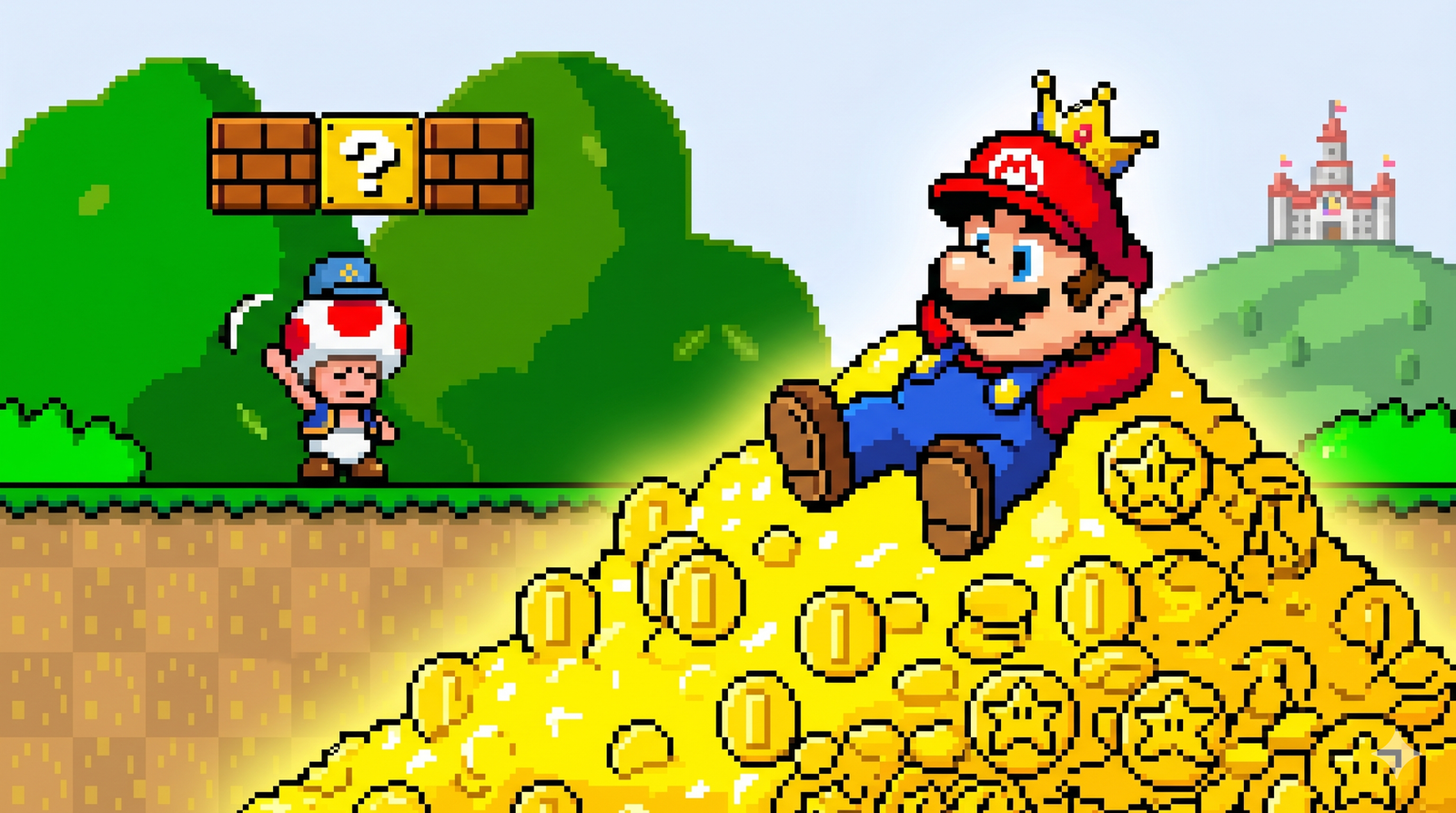
The trap that most smart young people fall into is the high-paying job. Eight to ten hours in someone elses building, at the mercy of someone elses boss, HR, and manager. Nothing wrong with the money. The trap is more subtle.

Time is the only thing in short supply. We get seventy, eighty, maybe ninety years if we are lucky. When you are eighty, do you want fifty of those years to add up to “I clocked in on time, every day”? Maybe you do. Most people I have met who chose that path don’t, in retrospect.

The point is, avoid the mistake of fooling yourself in saying that you will build a company alongside a naukri.

Who has said this better:

  • Naval Ravikant“You’re not going to get rich renting out your time. You must own equity — a piece of a business — to gain your financial freedom.” His How to Get Rich thread is the cleanest treatment of this idea anywhere on the internet. Read it start to finish.
  • Warren Buffett“If you don’t find a way to make money while you sleep, you will work until you die.” He bought Berkshire Hathaway in 1965. He still owns it. The compounding did the rest.
  • MrBeast (Jimmy Donaldson) reinvests almost every dollar he earns back into his next video. He has said publicly that he does not take a traditional salary. He owns the channel, the IP, and the upside.

The lesson is simple. Trade hours for equity wherever you can. Even a 5% stake in something that works will beat a seven-figure salary over 20 years. Remember Pushpa?

3. Find experiences. Chase rejections.
Two things, but they live in the same bucket.

Find experiences means — travel if you have the money. Take on five projects in five different domains if you do not. Approach people you find interesting. Apply for jobs you have no business applying for. Cold-email the biggest founder in the country asking to intern. Hack, cold email me. Worst case — they ignore you. Most likely case — they ignore you. Best case — one rejection becomes a yes, and your life bends.

If I could undo one thing about my life, this would be high on the list. I still struggle to walk into a strangers house and be comfortable there. I cannot start a conversation with someone at the next table at Starbucks. I should fix this. I am working on it. You should not wait until you are 43 to start.

Who has done this best:

  • Jia Jiang ran “100 Days of Rejection” — he deliberately got rejected every day for 100 days. The TED talk has 12 million+ views. The book Rejection Proof (2015) came out of it. He turned a fear into a brand.
  • Tim Ferriss, in his 20s, cold-emailed every successful person he could find. Most ignored him. A few replied. Those few became The 4-Hour Workweek (2007) and Tools of Titans (2016) — two of the most-read business books of the last 20 years.
  • MS Dhoni worked as a ticket collector at Kharagpur railway station while he chased cricket trials. He got rejected at multiple zonal selections. He kept showing up. India lifted the 2011 World Cup under his captaincy.

Rejections are statistical, not personal. Stack enough of them and the math turns.

4. Think beyond yourself.
Most of us — and I am guilty of this — act as if we are the centre of our own universe. Carl Sagan’s pale blue dot is the obvious counter, but the more practical version is this. When you chase fame, validation, attention, adulation, all of it is inward-looking. The work becomes a vehicle for the chasing.

Flip it. Let the work be the primary thing. If validation follows, great. If it does not, the work still mattered. If you are building a startup, build it because someones life gets better when you ship — not because you want to be called a “founder” at dinner parties. The funny thing is, when you actually solve a problem for a lot of people, other people line up to support you anyway.

Who embodies this:

  • Jeff Bezos wrote in every Amazon shareholder letter from 1997 onwards that “it’s always Day 1” — meaning, stay obsessed with the customer, never with yourself. Amazon is now worth ~$2T.
  • Yvon Chouinard, founder of Patagonia, gave away his company in September 2022. He transferred ownership to a trust whose sole purpose is fighting climate change. The work was always the point, not the wealth.
  • Tony Hsieh built Zappos around the slogan “Delivering Happiness.” He sold it to Amazon for $1.2B in 2009 and kept his original salary of $36,000. I wish he dint go so soon 🙁

When you solve a real problem for real people, the personal upside takes care of itself.

5. Long-term games. Long-term people.
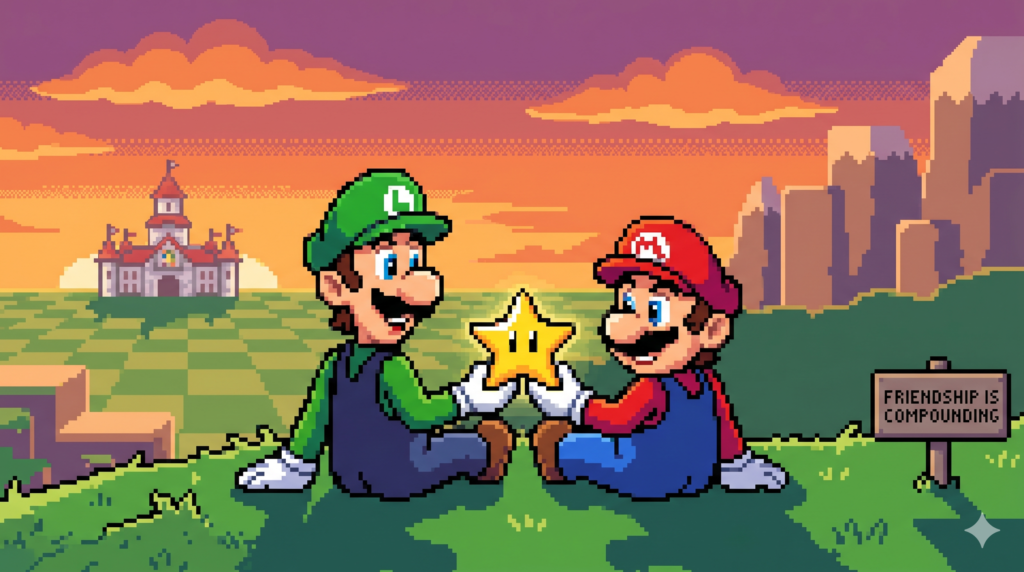
Lifted wholesale from Naval. Even at 25 — try to find people you can be friends with for the next 20 years.

Compounding is real. They call it the eighth wonder of the world for a reason. At 43, I can tell you exactly which relationships I let lapse and which jobs I left a year too early. I cannot tell you what those one-year hikes added up to.

If you are 23, build relationships you intend to maintain at 53. And — this is the bit people miss — go do whatever it takes to maintain them. Do not wait for the other person to call first.

Who has played this game best:

  • Warren Buffett and Charlie Munger — 60+ year business and intellectual partnership. Munger passed away in 2023 at 99. Buffett said his loss was “like losing a brother.” That is what 60 years looks like.
  • Bill Gates and Paul Allen — high school friends in Seattle. Founded Microsoft together in 1975. Decades of partnership before Allen left the company.

Compound interest works on friendships and reputations too. But only if you put in the work over decades, not weeks.

6. Stand on the shoulders of giants.

I have lived a large part of my life by this idea. Whatever I am standing on right now is built on the shoulders of my parents, teachers, bosses, colleagues, and a long list of people I owe.

The two-part instruction request for you.

Find mentors who will anchor you for the next 20 years (long-term games, long-term people). And, at the same time, be the shoulder for someone else. If you are 20, find someone your age and commit to being their shoulder for the next 20 years. Or find someone five years younger than you and commit to being their shoulder for the next 30.

What this does is unglamorous but priceless. When you start chasing vanity, your mentor will tell you. When you are about to take a fat salary at the wrong place, your mentor will tell you. When you stop playing the long game, your mentor will tell you. And the act of mentoring younger people forces you to think harder than you would have on your own — because the questions they ask are the questions you stopped asking yourself.

Where this comes from:

  • The phrase is most probably from Isaac Newton (1675) — “If I have seen further it is by standing on the shoulders of giants.” Newton was talking about scientific work. The principle applies to careers, businesses, and lives just as well.
  • Nikhil Kamath runs WTF, a podcast that brings senior operators in conversation with younger founders. He has openly said his goal is to be a shoulder for the next generation, not a guru.

Pick a mentor. Become a mentor. Both, at the same time, no matter how old you are. The two roles teach each other.

7. Sar jhukao aur kaam karo
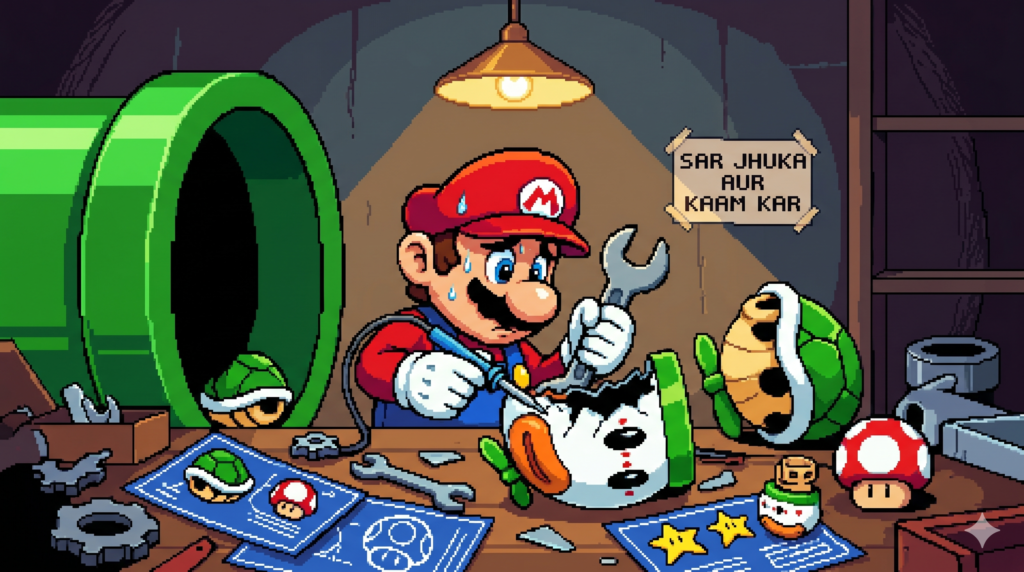
I saw this on someones WhatsApp status and it stayed with me. Sar jhukao aur kaam karo. Head down. Do the work.

My pet peeve: people at Starbucks who are “working” but actually spend the whole time looking at other tables, talking to strangers, getting up for the third refill. Starbucks is a workplace. If you treated those three hours like work, you would have shipped twice already.

Who treats the work like the work:

  • Jeff Bezos worked 80-100 hour weeks in the first decade of Amazon (1994-2004). He has said publicly he didnt take a single full weekend off in those years.
  • Elon Musk famously slept on the Tesla factory floor during the 2018 Model 3 production ramp. Whatever you think of him otherwise — that is what sar jhuka aur kaam kar looks like in practice.
  • Jensen Huang, the NVIDIA CEO, has said in multiple interviews that he works “every day from when I wake up to when I go to sleep, including weekends.” NVIDIA is now a $3T+ company.

Actual work, not the appearance of work, is the only input that compounds.

8. Build in public.
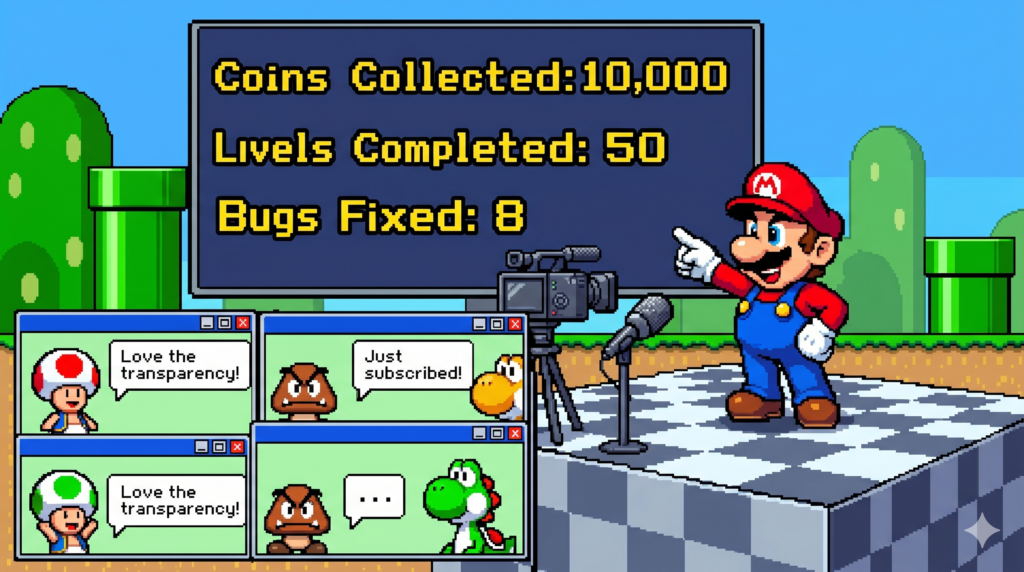
In my generation, building in public meant writing a blog. Today it means making videos, posting on LinkedIn, shitposting on Twitter. The medium will change again. The principle will not.

The reason it works — people you do not know, who do not know you exist, surface and offer help you did not ask for. Inputs, intros, opportunities. Every single person I have watched build in public — without exception — has found more options than they would have otherwise.

Caveat: build-in-public is the single most over-said piece of advice on the internet right now. That does not make it wrong. It just means most people repeat it without doing it. Less repeating. More doing.

Who actually does it:

  • Pieter Levels built Nomad List, Remote OK, and a dozen other products fully in public on X. He shows revenue dashboards. He shows what is breaking. He has built a $3M+ ARR portfolio as a solo founder.
  • Sahil Lavingia built Gumroad in public. He has shared revenue, layoffs, mistakes, and pivots openly since 2011. The transparency is the brand.

The leverage is not the views. The leverage is the strangers who reach out because they saw what you are working on. I do a version of this with my weekly notes, every Friday. Try it for 12 weeks. The compounding shows up around week 8.

9. Don’t play for fame.
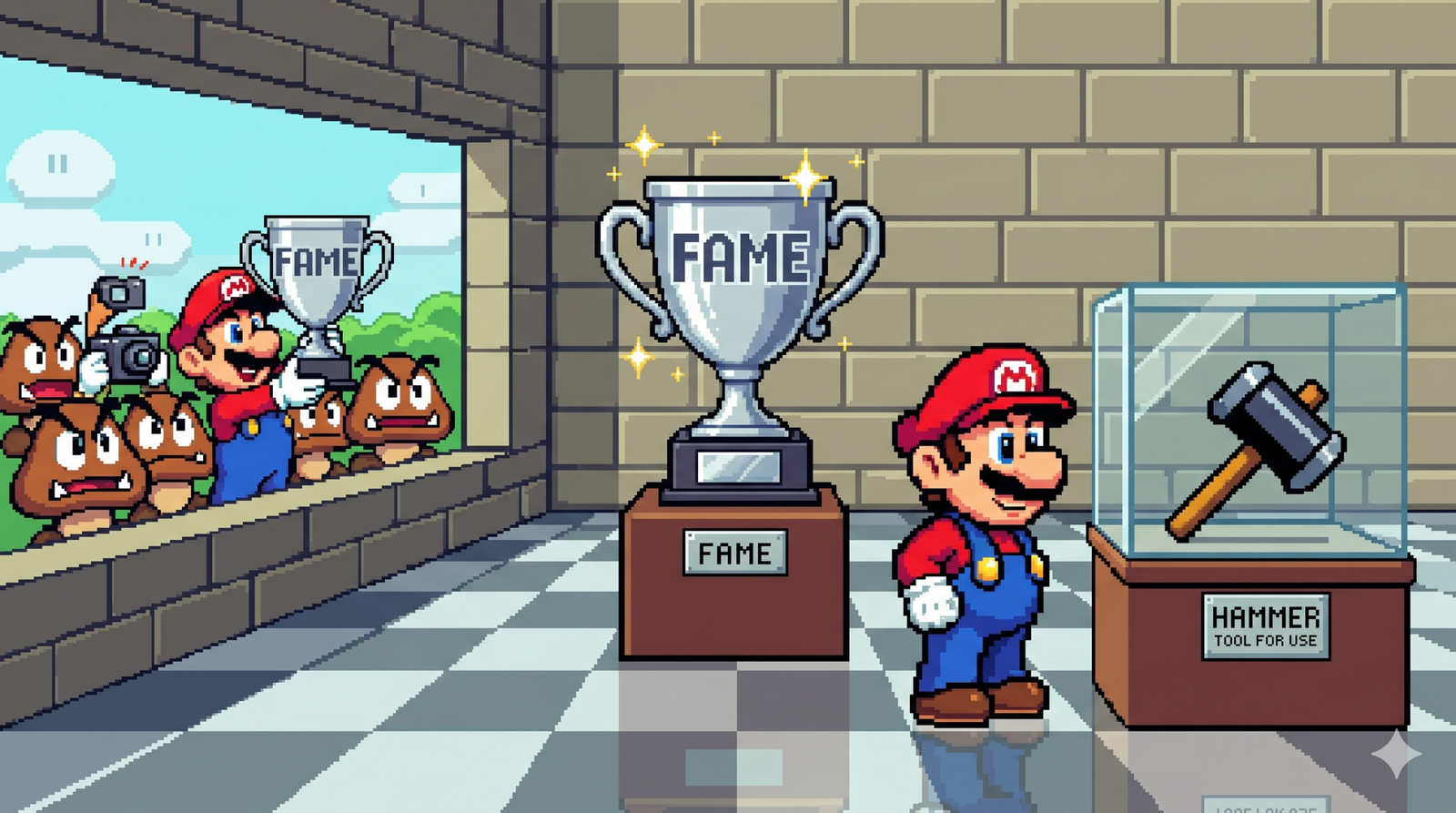
This is uncomfortable to write because I am, right now, making content to be known by more people. But the distinction matters.

Fame as a tool — for distribution, for trust, for access to opportunities — is fine. Fame as the destination is a trap. The test — if someone stripped your name and face from your work and put it out under no name at all, would you still make it? If yes, you are working on the right thing. If no, examine what you are actually chasing.

Who has lived this:

  • Naval Ravikant“Be famous for your work, not your name.” He has the most-quoted thread in tech history (How to Get Rich) and he still mostly stays off the conference circuit.
  • Satoshi Nakamoto built Bitcoin under a pseudonym in 2008. Disappeared in 2011. Bitcoin’s market cap is now $1T+. The creator is unknown. The work survives.
  • Banksy has made anonymous street art since the 1990s. Pieces sell for tens of millions of dollars. The art is the artist’s whole identity. There is no face.
  • John and Patrick Collison — Stripe’s founders — built infrastructure that powers a huge chunk of internet commerce. Stripe is valued at ~$90B. Most of Stripe’s customers couldn’t pick the Collisons out of a lineup.

Fame collected as a side effect of useful work is durable. Fame chased directly evaporates the moment you stop performing.

10. Be the hero of your own story.
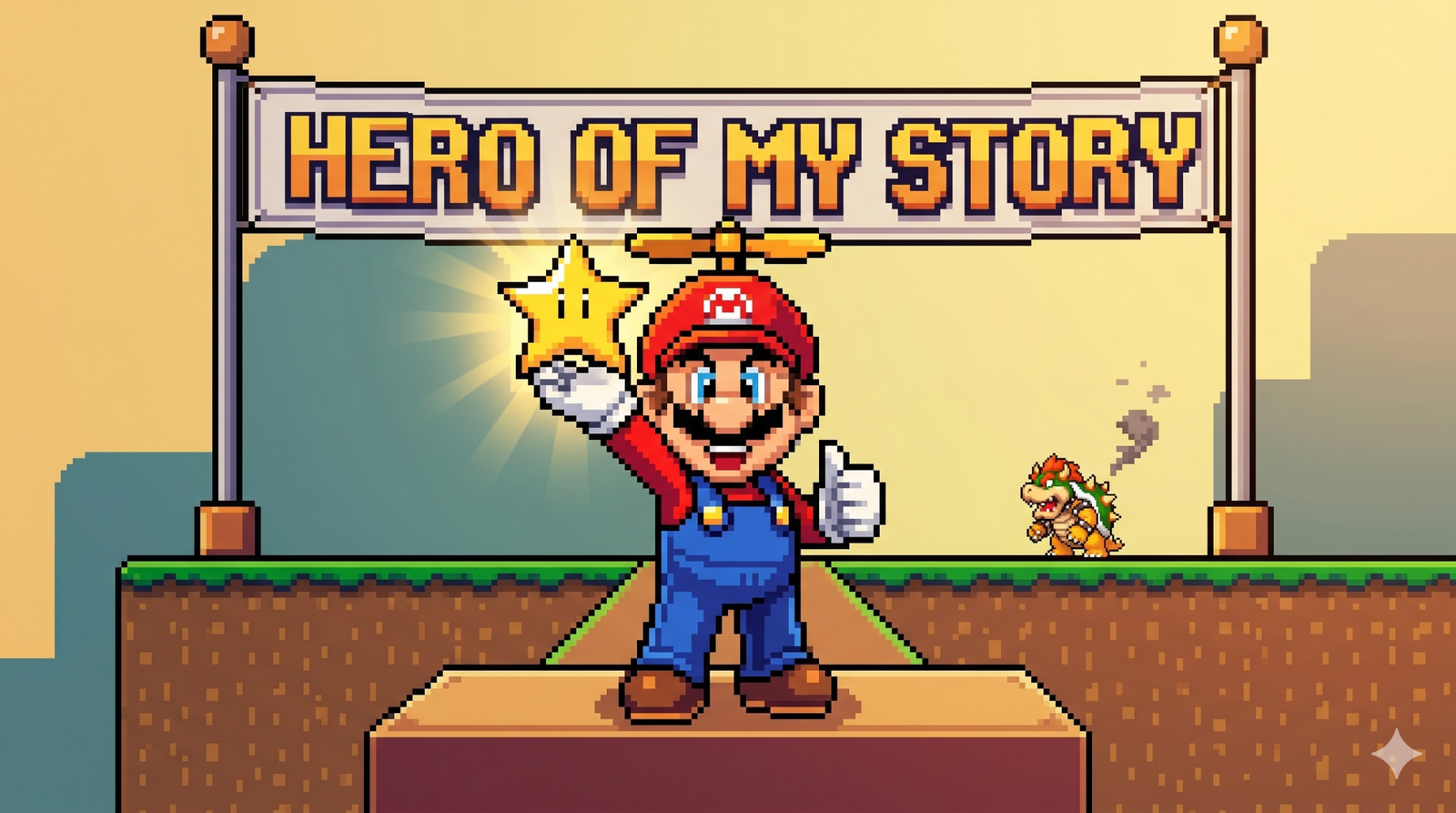
This is the biggest lesson of the last few years for me, so I am saving it for last.

For most of my life, I have been a supporting character in other peoples stories. Useful, sometimes essential, almost never the lead. The clearest test — think of your five favourite films. Name five characters you remember. You will name the heroes. You will not remember the loyal friend who shows up in three scenes and helps the lead succeed.

You have one life. Limited time. A large objective. If you do not build your story, you will build someone elses. They will pay you well. You will be useful. The story will still be theirs.

This is the one I am still learning.

Who has lived this:

  • Joseph Campbell described it in The Hero with a Thousand Faces (1949) — the hero’s journey is the universal pattern. Every culture, every century, the same arc.
  • Steve Jobs, in his 2005 Stanford commencement speech“Your time is limited, so don’t waste it living someone else’s life.”
  • A.R. Rahman moved from Madras to Mumbai to London to Hollywood across three decades. He composed Slumdog Millionaire‘s score on his own terms. Won two Oscars in 2009. Indian. Specific. The hero of his own story.

Your story does not have to be globally famous. It just has to be yours. Picked by you. Driven by you. Edited by you.


Frequently asked questions

What is the single most important thing a young entrepreneur should do?

Ship before you are ready. Every other principle compounds on top of having something in the world. A bad v1 in public beats a brilliant v0 in your head.

Do I need a mentor to succeed as a young entrepreneur?

Yes — and you also need to be a mentor. Both at the same time. Find someone 10 years ahead of you who anchors you. Find someone 10 years behind you who you anchor. The two-way relationship is what makes you better.

Is it bad to take a high-paying job as a young entrepreneur?

Not bad, but expensive. The opportunity cost of renting your time at 23 compounds into a different life by 43. Trade hours for equity wherever possible.

What does “build in public” actually mean?

Share your work publicly while you are doing it — on X, on LinkedIn, in newsletters, on YouTube. Not the polished output. The messy middle. The lever is the strangers who surface and offer help you didn’t ask for.

How do I find experiences as a young entrepreneur if I have no money?

You don’t need money. Take on five projects in five different domains. Cold-email people who scare you. Apply for things you have no business applying for. The currency is rejection — collect enough of them and one will turn into a yes.

Who are the best people for a young entrepreneur to follow?

Naval Ravikant for principles. Paul Graham for essays. Jeff Bezos’s shareholder letters (1997 to 2020) for customer obsession. For Indian operators — Nithin Kamath, Kunal Shah, Nikhil Kamath, Anand Mahindra. Read the ones whose work compounds. Not the ones whose follower count compounds.

Is “ready, fire, aim” the same as “move fast and break things”?

Close cousins, not identical. Ready, fire, aim is about launching before perfection. Move fast and break things is Facebook’s old engineering mantra — about iteration speed once you have launched. Use the first to start. Use the second to iterate.


If you read this far — and you disagree with anything, or you think I missed something — write to me. Email or @saurabh on X. I will read it.

How to start your freelancing career in 2023

A comprehensive guide to how to start your freelancing career in 2023 and live life as a creative freelancer on your own terms.

In 2015, I quit my job as a digital strategy planner with a leading social media and digital marketing agency. I started freelancing and at the time I barely scraped through. Fast forward to 2022, “I” now bill almost 10 lakhs a month (on average – some months less and some months more) and I am more than ok! In this guide to start freelancing, I talk about how I did it and how you can too.

PS: the “I” is a small team that works together to deliver on the work I bring in. And the 10 lakh I talk about is what we bill as a team. We operate as The C4E Collective.

PPS: Again, 10 lakhs is the average. Some months, we do more, and some we do less. In all fairness and honesty, in the best month, we billed about 22 lakhs, and in the worst, we billed 4.

So, here’s a guide to how I broke into freelancing and how you can do too.

Lemme start with some background.

I think believe I am destiny’s child.

I have been extremely lucky and I am grateful that I am where I am. A lot of things (that were mostly out of my control) had to happen to give me this life I have. And I manufactured a handful of things to augment the ones that were out of my control. And I need to work VERY hard on building blind faith in my self (something I lack).

In this longish piece, I want to share what I did and maybe you can pick some lessons from here! 

So, if I am at a 10 lakh a month number, it is because of all the people I’ve met and the opportunities I’ve created. The keyword here is created. Unlike popular belief, I do not believe in waiting for things to happen. I seek them. I try and create them. I put myself out there, in rooms where there are odds that I would meet people better than me. Once I am in there, I am ok to make a fool of myself. I am ok to be laughed at. I am ok to raise my hand when no one else is daring to. And I believe in playing long-term games and doing it for the long term.

PS: Long-term is anything more than 5 years. I’d want to push it to 10. But 5 I think it is for the time being.

Before we start, please note that this is NOT a list of freelancing hacks for writing or for anything else. For the simple reason – I don’t know if they exist. Rather, this is a list of things that worked for me and these may or may not work for others. However, there are lessons you can pick from what I believe in and what I did and you can adapt these to your situation. And yes, like all “advice” this is not one-size-fits-all. Please tread with caution. 

Lesson 0. Freelancing is a (VERY) long-term game. 

Let’s start at ground zero.
Freelancing is a long-term game you play with long-term people. 

Today, each opportunity that knocks at my door is a result of a relationship that I “created” years ago and then took the effort to nurture it. I allowed them to compound. 

Here’s some data. My most recent client is someone I know for almost 2 years (thanks to a podcast that I produce). The second most recent client is someone I walked up to randomly at a WeWork (in 2018), and became friends with. So, 5 years. The third most recent client came via someone I know since 2013. And all the other clients came through relationships built prior to that!

Update: Since writing this post for the first time and publishing it, I’ve cracked three more clients. One I’ve known for 5+ years. The other for 7+ years. The third taught me at MDI (16 years ago). So, the point has been reinforced.

So, please get this tattooed on your forehead that as a freelancer, you will have to play a VERY long-term game. The one that will probably last you for the rest of your life. And thus each thing you do, you need to think from that lens. 

Oh, and starting point of this game? 

Relationships. 
With friends.
Acquaintances.
Strangers.
Loose Connections.
And everyone else in between. 

Lemme talk more about this in the next step.

Lesson 1 – Build Relationships irrespective of your intent to start a freelancing career

If I could teach the world how to build relationships, we would have reached Moon Mars by now. And to teach this to an aspiring freelancer would be even more difficult. Allow me to try.

First things first. I define a “relationship” as a thing that makes you want to spend your time with another person. And vice versa.

So, how do you “build” this want? How do you manufacture it?

Well, to get other people to spend time with you, you could start by becoming interesting, likeable, approachable, dependable and all that. The tough part is that each of these words is subjective and there is no tangible definition per se.

However, while the definitions of subjective things vary, there is indeed something tangible that you can offer to others.

Value.

You could add value to others. To them as people. To their businesses. To their lives. Value is tangible. Could be small, big, large or whatever. But most people know it when they see the value.

And on the other side, when you meet others, you need to have patience, listening ability, zero judgements, an open mind, empathy and willingness to offer value (even if they are the ones pitching to you). You need to gift others your attention without expecting anything.

No, it’s not easy; we all struggle with ‘no expectations’ on various levels. 

What has worked for me is that I have offered value (hopefully immense) without asking (or even expecting) anything in return.

Lemme give an example. A friend needed someone to talk to her boyfriend and show him opportunities in the digital marketing space. I thought I could give gyaan. I did that. That person got placed at some agency. And then he gave me a project to work on! Simple and effective!

Thing is, when you offer value without expecting anything in return, the people on the other side start to see you as one of “them”. And not a third party that they’ve engaged for a “project”. And once you are “one of them”, you earn a seat at the table. Where both (access and rewards) are higher.

PS: Of all the strangers that you’d offer value for free and without expecting anything in return, there are bound to be a few that would take you for a ride. You would invest time, energy and everything and you would get nothing. And that’s ok. Really. We pay taxes. There is leakage. You accidentally spill your coffee. This is how life is. Just that each time you are taken for a ride, identify the red flags and next time, avoid similar situations. So start with an expectation that once in a while you’d be left on the losing side.

Lesson 1.2 – Don’t wait for these relationships to happen, create them. 

Thanks to Karan Johar and Walt Disney and others like that, we assume that a “connection” will “click”. You’d be roaming around in a park and in your lap would fall the handkerchief laptop of a gorgeous woman client and as you give that back to her, you would exchange numbers and she would give you a lot of love freelance work.  

Lemme pop your bubble.
No.
It doesn’t work like that. 
Not even for romance.

If you read Neil Strauss or Kevin Mitnick or have seen Anurag Kashyap films, you know you’d have to plant some goons to tease the woman of your dreams and show your heroics to save her. 

Same with freelancing.

You need to plant things that will create opportunities for you to come across as a hero that the client can not live with! 

So, in one line, you need to create these relationships.
You need to walk into rooms you are not invited in and try and locate people you want to learn from, collaborate with, or simply keep around. You need to be intentional and deliberate about it! 

Lemme give an example.
I was working out of a WeWork in 2018 or something. I took the floating desk because it was cheaper. While I sat there, I overheard this man talking about marketing and branding to someone else on the phone. While he spoke, he made a lot of sense. So, I decided to walk up to him. And introduced myself. He was kind enough to reciprocate. And this started my friendship with Aditya Save, who has helped me get work, helped me find people for my team and has taken my input for his work!

So yeah. That.

Create relationships.
Be deliberate about it.
And put in the work required to create relationships.

Oh, here are some actionable ideas…

  1. Join groups where interesting people hang out. I am a member of a few others. Lemme know and I will get you added. Needless to say, I am part of scores of Whatsapp groups, each discussing a wide range of ideas and each on mute ;). Here’s a plug – I run a WA group where I send gyaan on marketing. Join Marketing 101 if you want to.
  2. Go to meetups. LinkedIn is rife with opportunities to do so.
  3. Take memberships (if you can afford it) at places like WeWork, Soho House et al that have a curated selection of members.
  4. Engage with tweets and messages from interesting people on social platforms. Without getting creepy. Start with me or Aditya!

Lesson 2 – Be reliable when freelancing.

In my experience, people dont want to work with “the absolute best” or the “greatest in the world”. 

They want to work with reliable people. They want to pay and get work done. They dont care about a Picasso or a Mario Puzo when they want a piece of art created. They want it to deliver enough to solve a business problem. As a “creative” individual, you can continue to chase perfection. Or show progress. To the world. And while you do so, be dependable. 

I mean think about it. You want to go from point A to B. Would you wait for the “right” car to come in or you’d hop into the next one?

More often than not, people do not care for you being exceptionally good at one thing (I know this sounds counter-intuitive to common wisdom where they want you to the world-class at one thing). People care about paying and getting work done on pre-decided timelines.

So, be reliable. 

Lesson 3 – Start Small.

You cannot start freelancing expecting a gig worth a lakh a month. You build up to it, in terms of both skills and confidence and ability to deliver and ability to demand money.

We’ve engaged a designer that billed us 500 bucks for a FB post a few months ago. And today, he pays his house EMI from what he bills us! 

If back then he said he would only pick up work worth 1 lakh, he wouldn’t have moved towards financial independence. At least not with us. 

Lesson? 
Never hold out for the biggest fish. 
Start small, but keep at it. 

The keyword is, keep at it. And dont say no. And offer value. More than what you thought you could.

Lesson 4 – Spread yourself wide! It is a freelancer’s paradise

Again, counter-intuitive to what common wisdom is. But has worked for me like a charm. Read on.

I cannot stress enough that everything that’s come to me has come to me because I widened my interests and attention. Just by doing this one thing, I’ve met a LOT of people from a LOT of backgrounds that knew a LOT about a LOT of things.

Each interaction allowed me to pick up more things that I can talk about and can eventually work on. Each interaction made me a tad more interesting for the others to talk to. Each interaction gave me a higher chance to be in rooms that I would otherwise not be welcome in. 

The same reflected in the kind of work I was doing. When I started freelancing, I worked as a marketing consultant for a startup. And I did brand strategy for an agency. And I did an event production for another agency.

No, I am / was not “the best” at any of these three.
I was merely dependable. See lesson 2 above.

When the COVID-19 lockdown happened, my biggest source of revenue (events management) came to a standstill. However, my ability to deliver brand strategy and marketing consulting allowed me to survive. And then I expanded from there on.

Today, I do the following – ad-films production, marketing consulting, digital brand planning, ghostwriting, podcasting, content, investing and more! This spread has allowed me to bill 20+ lakhs in a couple of months). And no, I am not great at any of these. I am not even good. I am just dependable.

And oh, I started small and upskilled and ensured that I delivered more than what I promised.

The point is, go out there. And expand yourself thin. Always be on the lookout for experiences of different kinds, and you will meet people from different industries, with different dreams, and very different lives. And rather than trying to fit them into the mould that you’ve created for yourself, be open and accepting.  

Lesson 5 – Overdeliver. Even as a freelancer and while freelancing.

This one’s quite simple: Say you’re asked to write just a blog post. But when it comes to delivering, you send in a series of tweets along with that blog post, to help get traffic to that post. Or, you share those five insights you had while writing that piece. 

Your clients will see it. They will remember you for going above and beyond. And they would see that you are the kinds to deliver more value than what you are paid for. 

Result? 
You are perceived as someone who delivers value. 
Top it up by being dependable. 
And then top it up by being the one that does not expect a lot.
Why would people not work with you? 
Why would you not scale? 
Why would you not reach the 10 lakh a month number?

Quite simple. And effective.

Lesson 6 – Make yourself discoverable as a freelancer. 

Jo dikhta hai, wo bikta hai. 
Location. Location. Location.
The baby that cries the loudest gets fed first. 

There are numerous parables like that. Each makes the same point. 
Be out there.
Be discoverable. 

You’d start attracting opportunities the second you begin putting yourself out there. You invite people to discover you. And then you back it up with overdelivering. And you invest in long-term relationships. And you become a dependable person. 

How is it that you will not build a solid network that gives you work? P.S.: You may want to read this post on networking.

In the words of Daniya and Chandni (am making them discoverable by adding them here), “Think of it like this: It starts with you seeking opportunities and ends with people discovering you. What happens in between is all the things we spoke about – relationships, offering value, and reliability.” 

And how do you do it? 
Newsletters, videos, blogs, Twitter – just about anything that aligns with your voice. Go out. Show up. Showcase what you’ve done. Talk about your work.

The good part? 
All these things compound

Wait.
What do you think this blog post is? 
Why did I spend 15 45 days writing this?
Why do you think I am ranting on Twitter all the time? 
Why do I overshare? 

PS: I have to admit that despite doing all of the above, I remain VERY poor with my visibility and my distribution. Even though I write a lot, I need to work on this and I am constantly in search of amplifying this. And here is a post I wrote on how to build a writing habit.

Lesson 7 – Collaborate with other freelancers and freelancing platforms.

You know how a single twig breaks easily, but the second you pick a bundle, they’re invincible? That. 

That’s how you should view those on a similar path as you.

Together, you learn and attract more. Ditch that greed (of doing things by yourself and keeping the entire pie for yourself) and find people who want to grow with you. Ditch that insecurity that if you share your connections, others will close those deals ahead of you. Ditch that fear that the client will find someone else who’s better.

And in case you need to find a place to start with, start with me. I’d love to. I am a tweet away. 

Once you have one or two connections, go seek more. Join networks. Go to meetups. Tweet at random people. Ask for help. “Hire” people to work with. The “I” I talked about at the beginning of this post are actually my collaborators. It is humanly impossible to make 10 lakhs a month as a freelancer if you are on your own. You need collaborators. You need to pick work and allocate time and divide responsibilities and remuneration. The 10 lakhs we make is divided between the 6-7 of us and as a collective, we are better off than we would be if we did not collaborate.

This collab also allows us to present ourselves as a “large” company and pick larger projects (in value / impact / showcase) that an individual would never ever get considered for.

From here on, as a collective, we may go become a large company. Or will remain a bunch of freelancers working together. No one knows (I dont know what the future holds and I will not lose sleep over it). But what I know today (as of writing – 11 Dec 2022) is, that I am having a ball (with obvious ups and downs) and I am extremely grateful for that.

I am digressing.
The point is, partner with more people.
Do larger capers 🙂
Start with me, if you want more partners. I am a tweet away. 

Lesson 8 – Be the “easiest” freelancer to work with. 

I can bet that you have that friend that is incredibly difficult to please. You could go to the best restaurant to eat at, on a day that’s going really well and this person will spot a problem. 

At work, you would have that colleague that would ask a thousand questions even before lifting a finger and you would know that most of those questions are a way to deflect work assigned to him. You know, passing the buck. Or the pillow. Or as I call it, playing football and pushing the ball to the next person. 

There are people that you want to avoid even though they deliver great work. No?

So, thought experiment.
Switch places.

If you are that person that is incredibly difficult to work with, do you think people will come to you for work? Will they recommend you? Will they ask you to do things? 

If your answer is, “oh, I am the best. If not work with me, where would they go?”, then you’ve lost the plot and wasted all the time reading all these tips to start your freelancing career in 2023.

Thing is, clients are people. And they seek other people that are easy to work with. They like the idea of being easy to work with. They love their peace of mind.

It’s really simple.
When you’re stuck in circles, who do you turn to?
When you need something solved proto, where do you go?
When you want someone to get you out of the soup without asking too many questions, who do you think of?

Be that person. For others. For clients.
People Clients are looking for just that.

So, while you’re being reliable, also be easy to talk to and easy to work with. And see work coming your way.

Lesson 9 – Be a freelancer that people can trust. 

As I grow, I often find myself working closely with companies that often compete. As I write this, I work for 4 different advertising agencies. And each competes with the other on a day-to-day basis. And while the scope of work I take on for them might vary, I am essentially working for companies in the same business.

Thus, discretion becomes important. And it becomes tough for me to earn their trust. And while I have not been able to find a solution to this, I start with full disclosure. And transparency.

If I am working for competing companies, I disclose that to all them. And I’ve seen that if you volunteer information without others asking for that, people tend to trust you a tad more.

Again, trust is something that you need to earn. With time. The longer you work with / work on something / someone, the deeper the trust. While a post on trust would be another 5000 words, if I were to highlight a few points that help build trust, these would be…

A/ Everything that I have listed in the 8 lessons above. I will repeat some in this list.

B/ Radical honesty. There is nothing better than this.

C/ Keeping word. On your promises. On your delivery. Your Zubaan must have a keemat. Thank you, Rajesh Sir for teaching me this lesson.

D/ Be consistent. I suck at this, to be honest. But I am working on this.

PS: B, C and D are about being the most reliable person ever. Also, scroll up to see lesson 2.

That’s it. I am sure there are more things you can do to build trust but these 4 will cover most of those. And in fact, all the lessons I’ve listed would cover them all.

In the end…

Guess this is about it.

These are the 9 things that have allowed me to build a freelancing career. Trust me when I say this that if I have been able to build one for myself, I am sure you can too.

Also, do lemme know if this was useful. And do tell me what else would you want to read about if you are starting out as a freelancer in 2023. Finally, if you have any specific questions, I am happy to talk. The best way to reach me is on Twitter. I am a tweet away. 

A Few Disclaimers

  1. This post is essentially a list of things that have worked for me. These may or may not work for you. This is a summary of my experience only the results may vary 😉
  2. For context, I hold an MBA from MDI and have about 16 years of experience post that.
  3. Thanks to Chandni and Daniya for helping me write this.
  4. Thank you Samriddh, Hemant, Sanhita for reading early drafts and helping me improve this with specific inputs. These names are not in any order.
  5. There are more things that I can write about. In fact, I am thinking I will do a live session to help people break into freelancing. Would you want to learn from me? DM me on twitter and lemme know.
  6. If not on a live session, I think in the subsequent posts, I can write about the following: how to crack the first client, how to build the network, how to price your work etc etc. But I think that’s a different topic for a different day. Do let me know what would you want to read.